
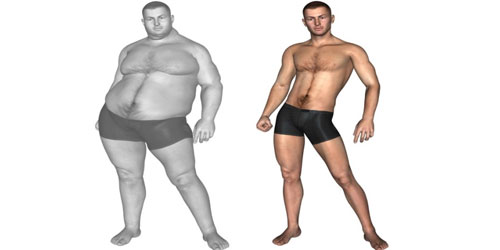
Losing a significant amount of weight is one of the hardest things a person can do. The discipline, the consistency, the time it takes- it’s a genuine achievement. And then, for many people, the body that emerges from that process doesn’t look the way they expected it to.
Loose, excess skin on the abdomen, arms, thighs, and chest is one of the most common and least discussed consequences of major weight loss. It doesn’t tighten on its own after a certain point, regardless of how much exercise is involved. And for the people living with it, it becomes its own source of frustration after years of effort.
Body contouring procedures after weight loss exist specifically to address this, to complete the physical transformation that diet and exercise began but can’t finish alone.

The procedure is done. The grafts are in place. And now, the part most patients underestimate: the recovery begins.
A hair transplant is only as successful as the healing that follows it. The surgical skill matters enormously, but what you do in the days and weeks after the procedure determines whether the grafts survive, integrate, and produce the growth you came for. Understanding the ways to improve hair transplant recovery before you leave the clinic is what separates a smooth recovery from an unnecessarily complicated one.

Losing weight was supposed to be the hard part. For a lot of people, it’s what happens after that catches them off guard.
Weight loss changes how much fat the body is carrying. It doesn’t always change what the skin looks like once that fat is gone, especially after significant or rapid loss. That gap between the two is exactly where body contouring procedures after weight loss come in, and understanding what they can and can’t actually do matters more than most people realize before considering one.

While the patient is concerned about selecting a qualified surgical team, innovative methods such as the FUE technique, and the number of necessary grafts when considering hair restoration surgery, one thing must be kept in mind: surgery is merely the first step in the entire process.
Your daily activities, diet, exercise, and recovery care are critical determinants in grafts’ survival and hair density. From LIASC’s clinical perspective, the patient’s daily lifestyle choices make a substantial difference in blood circulation, cellular reconstruction, and follicular attachment during the recovery period.
